
Wireless Festival: A masterclass in reputation risk – and how not to manage it
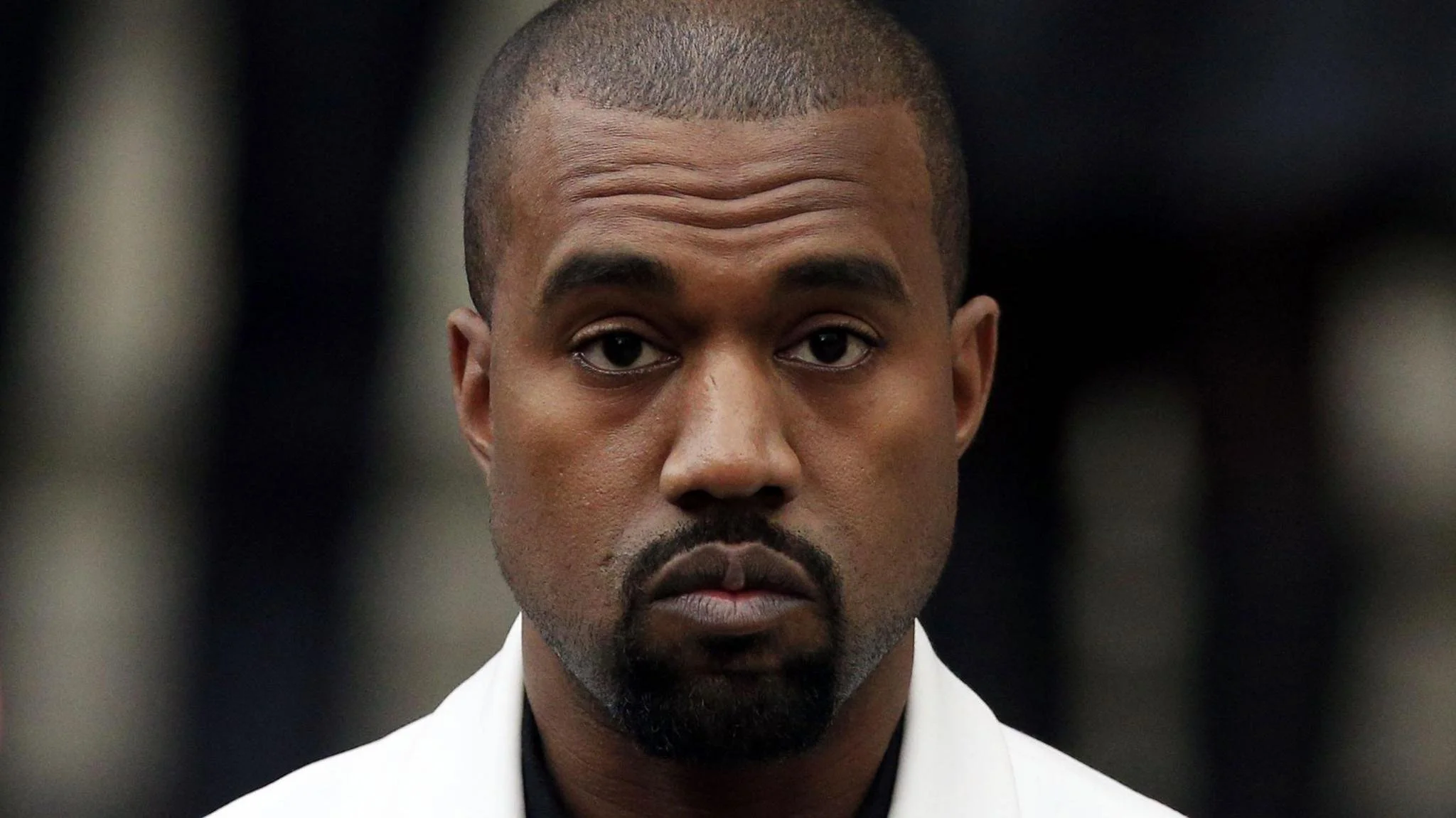
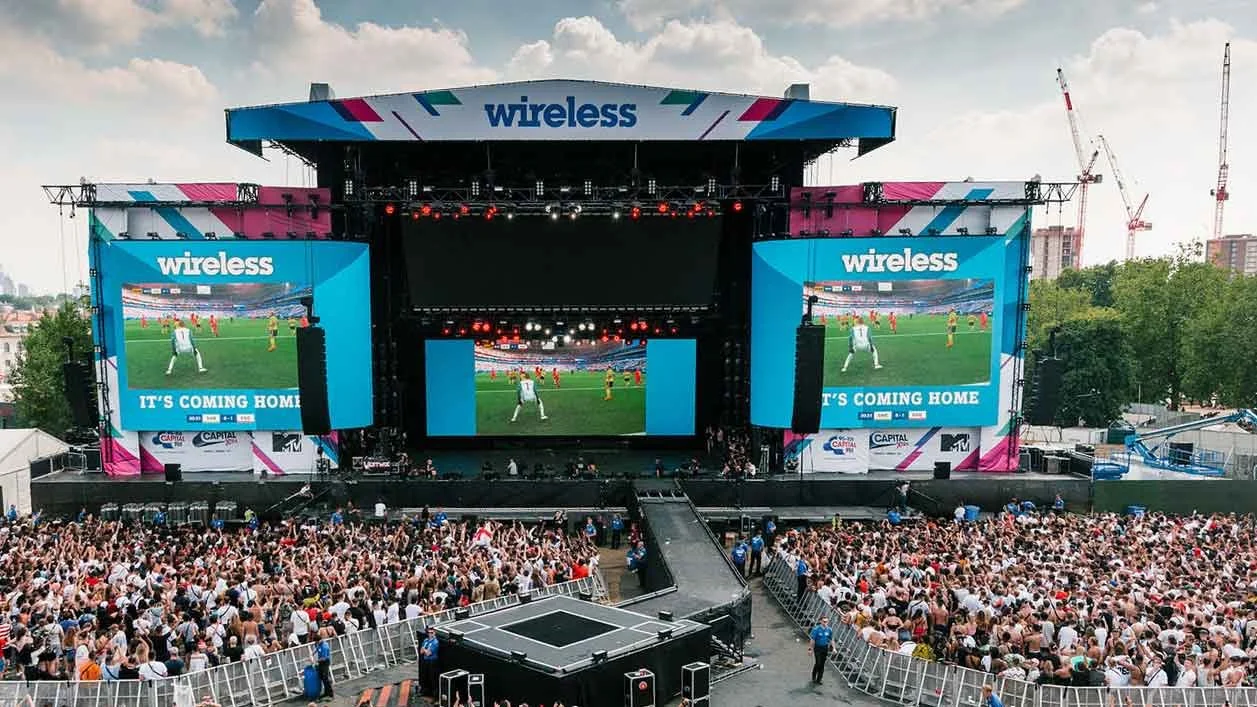
And just like that, Wireless Festival 2026 is cancelled.
Organisers insist the event will return, but if it does, it will only be after some serious reflection - and significant change. Because what we’ve just witnessed isn’t ‘bad luck’ or ‘cancel culture – it is a textbook failure of reputation risk management.
Speaking to Metro newspaper, I explained why the decision to book Kanye West (or Ye, as he now styles himself) was always a reputational and commercial liability waiting to detonate.
The fundamental issue is that once that booking was made, there was no credible Plan B. This is despite the fact that controversy was not a possibility, but a certainty.
Free speech vs foreseeable fallout
I’m a strong advocate of free speech. Society, in my view, only progresses by engaging with viewpoints we may find uncomfortable or objectionable. But Kanye West is not a free‑speech debate. He is a pattern‑repeater.
Since 2020, West has repeatedly crossed widely‑accepted social, moral and legal boundaries ranging from antisemitic rhetoric and praising Adolf Hitler, through to launching swastika‑branded merchandise. Each incident has followed the same pattern:
Provocative behaviour
Commercial backlash
A plea for understanding or apology
A re‑emergence timed around new music or public appearances
Major brands including Adidas and Gap did not walk away lightly – in the case of the former they had a nine-reach relationship with West. They did so because the reputational risk of being associated with him far outweighed any commercial upside. That should have been the clearest warning signal imaginable for the festival organisers that this could potentially lead to a commercial implosion, but it wasn’t.
Why Wireless made things worse for itself
When Wireless Festival confirmed West as a headline act, the event ceased to be a neutral platform. It became - fairly or unfairly - an active endorser by association. That distinction matters. Sponsors, politicians, media stakeholders and segments of the public no longer saw Wireless as ‘hosting an artist’ - they saw it as making a judgement call about values. And once that perception takes hold, the spiral is fast and unforgiving.
As I told Metro journalist Danni Scott:
“The organiser has sought to take the moral high ground based on his own worldview. That decision has clearly backfired.”
Calling for Kanye West to be given a “second chance” ignores a key reality: He has already had one. And another. And several more.
In reputation terms, this isn’t redemption - it’s rinse and repeat.
The strategic failure
From a pure reputation management standpoint, this was senseless and self‑sabotaging. No experienced reputation consultant would advise a client to stake an entire flagship event on an individual with such predictable volatility, without:
Robust scenario planning
Clear contingency options
Stakeholder impact modelling
Sponsor reassurance strategies
None of those appeared to be in place and the result was regrettably inevitable. Once sponsors started stepping back and political pressure mounted, cancellation was not a dramatic decision but the only one remaining.
What happens next?
Reputation repair is possible. But it won’t happen through statements or sentiment alone. If Wireless wants to rebuild trust and return in 2027, it will need to demonstrate that:
Culturally informed decision‑making is embedded at board level
Reputational risk is assessed with the same rigour as financial risk
Artist bookings are stress‑tested against stakeholder expectations
Brand partners are given confidence that lessons have genuinely been learned
Fans are forgiving, and they will be back. However, brands are not and without hard evidence of change being made they will not be back.
This wasn’t a PR crisis caused by activists or the media. It was caused by a failure to listen to warning signs that were already deafening and a combination of ignorance and arrogance.
Reputation isn’t managed in the moment of backlash. Rather, it is managed months or years before the decision that triggers it. And that’s the difference between reacting to controversy… and avoiding it altogether.
You don’t need a PR agency to get media coverage for your business – you can become more than capable of doing it yourself and securing great PR results with the right guidance and support. Take a look at our PR Training & Coaching service for more information.